
Health-Wellness
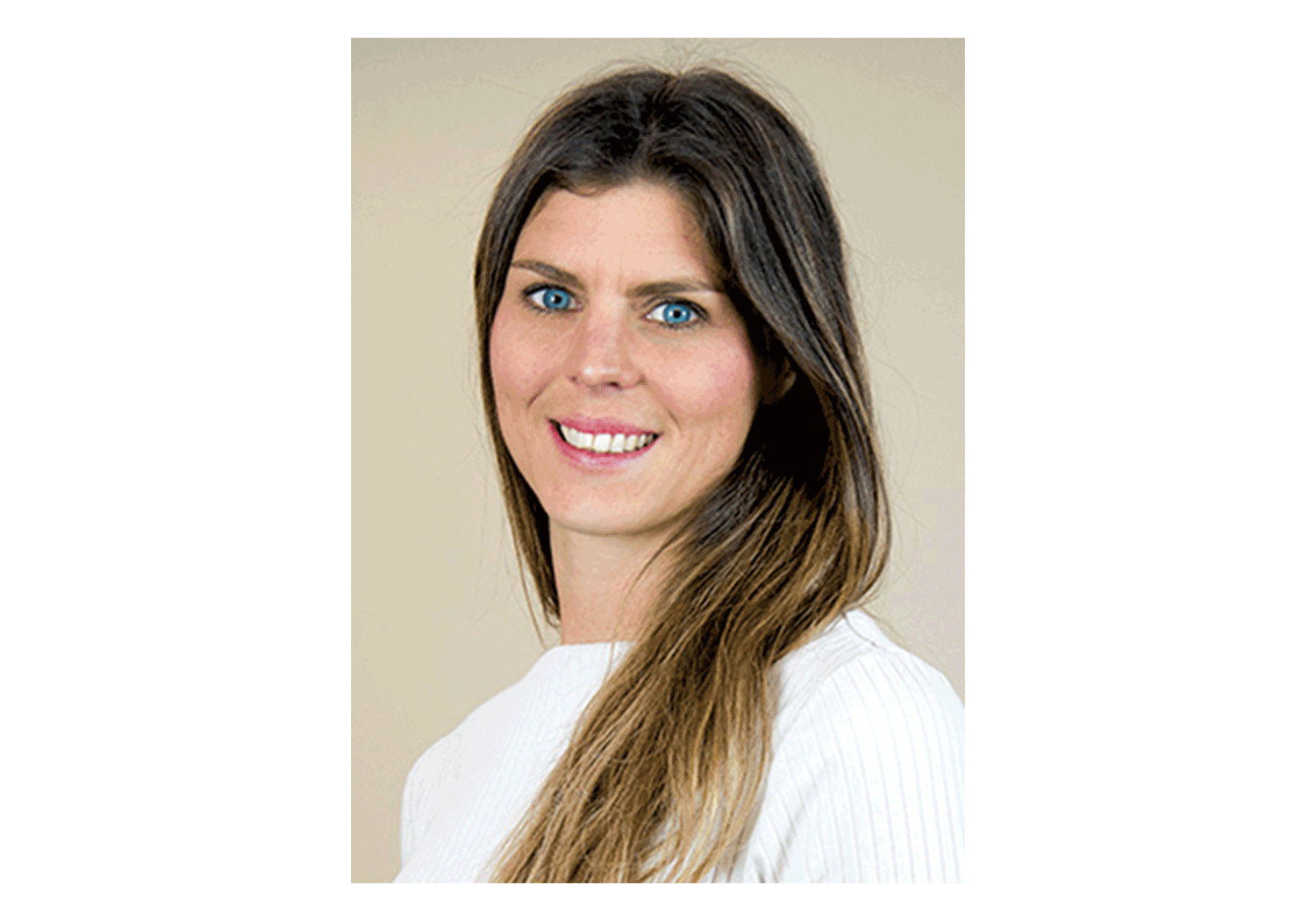
Mette Strand, MD,
Internal Medicine, Livingston HealthCare
Colorectal cancer is one of the most preventable yet persistent public health challenges facing Americans today. While overall incidence has declined over the past several decades, thanks largely to improved screening and healthier lifestyle behaviors, the troubling reality is that this progress is not being shared equally across age groups. The disease continues to be a leading killer in the United States, with 154,000 people diagnosed annually.
While older adults have benefited from decades of established screening practices, incidence rates among individuals under age 50 have increased by nearly 3% per year in recent years, and adults under 55 now account for one in five colorectal cancer cases, according to the American Cancer Society (ACS). These increases challenge the long standing assumption that colorectal cancer is a disease of aging, underscoring the need for vigilance at earlier ages.
One of the most significant advances in recent years is lowering the recommended screening age. In 2021, the ACS formally lowered the recommended age for starting routine colorectal cancer screening from 50 to 45, a move directly informed by the growing cancer burden among younger adults. Screening earlier saves lives, and colorectal cancer is more treatable when detected in its earliest stages and precancerous polyps can often be removed before they turn deadly.
Yet despite this clear guidance, screening uptake remains far too low, especially among newly eligible adults. More than one third of adults aged 45 and older are still not getting screened as recommended, leaving millions at risk for a cancer that is largely preventable. Adults ages 45 to 49 have the lowest screening rates of any age bracket. The American Cancer Society suggests only one in five adults in this age group are up to date on screening.
Increasing awareness of screening options, including at home tests, can help close this gap and save lives. While colonoscopy remains the gold standard due to its ability to detect and remove polyps during the same procedure, there are also highly effective non invasive, at home stool based tests also endorsed by ACS. These include annual fecal immunochemical tests (FIT), guaiac based fecal occult blood tests, and multi target stool DNA tests performed every three years. These options can be completed privately at home, require no bowel preparation, and cost less than a traditional colonoscopy, making them a powerful entry point for people reluctant to undergo more invasive screening.
Statistics and screenings aren’t the only tools to prompt action. Conversations, between providers and patients, amongst family members, and within communities are essential to our health. Many individuals do not realize they may be at increased risk due to factors such as family history, inflammatory bowel disease, or inherited genetic conditions. Others do not know that lifestyle factors like physical inactivity, poor diet, excess body weight, tobacco use, and alcohol consumption contribute to more than half of all colorectal cancers.
What we do know is that early detection works. Screening can dramatically improve colorectal cancer survival rates by discovering cancer in its earliest, most treatable stages. Dropping by about 1.5% a year, the decline in mortality among older adults is proof that screening has life saving potential.
If you are 45 or older, or if you have a family history of colorectal cancer, please consider talking to your healthcare provider about these screening methods. Whether a colonoscopy or private, at home mail in screening, the best test is the one that gets done. Colorectal cancer is preventable, treatable, and beatable—but only if we take the step to get screened.