
Health-Wellness
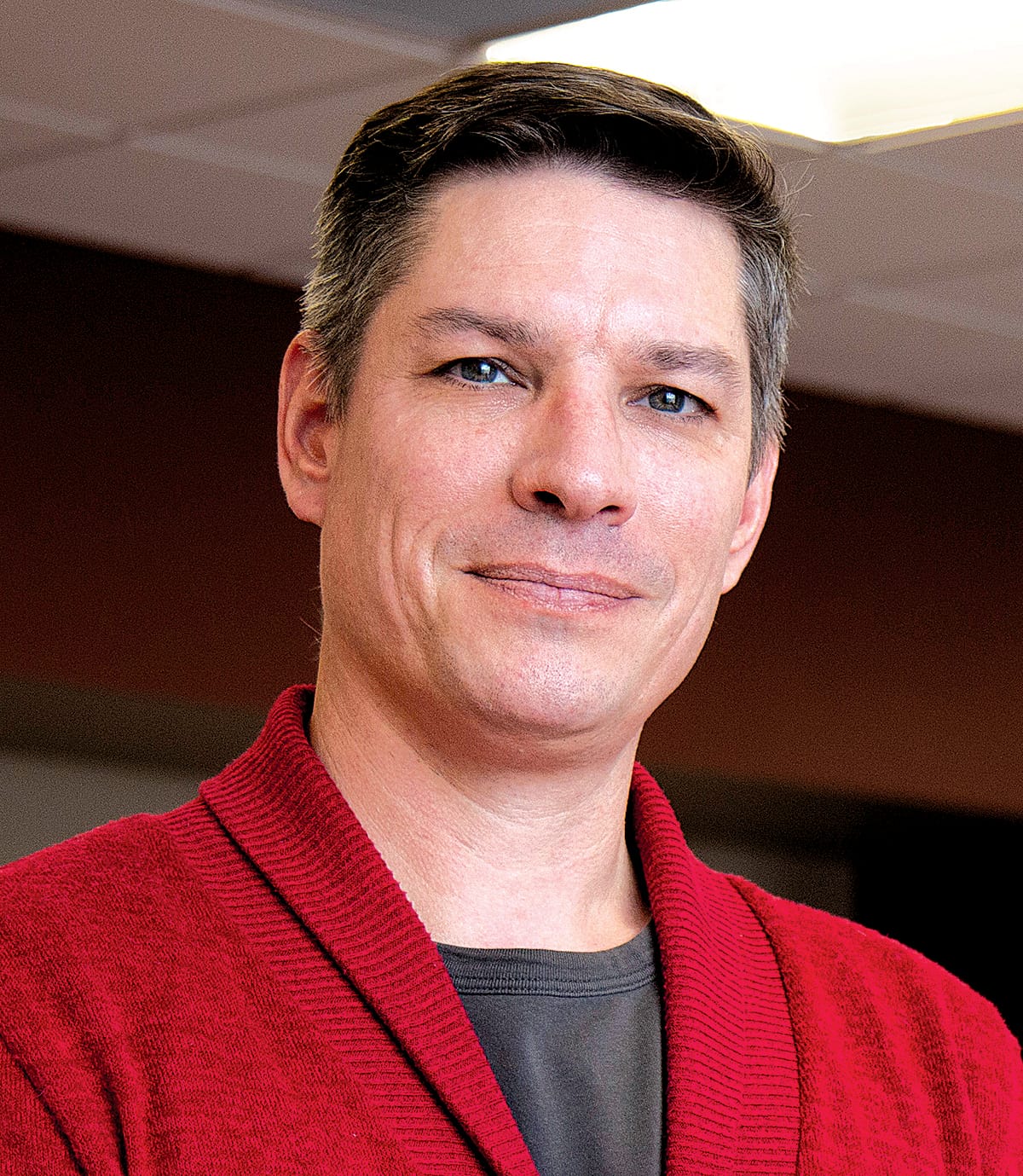
Adam Lugger, RRT, RCP, CRT
Cardiopulmonary Rehabilitation Supervisor, Livingston HealthCare
- Why did you decide to become a Cardiac Rehab Therapist?
I decided to become a Cardiac Rehab Therapist because I wanted to help patients beyond the hospital setting—during the phase of recovery where they regain strength, confidence, and control over their health. After years of working in acute and critical care, I saw how important it was for patients to have guidance and support as they returned to everyday life.
Cardiac rehabilitation allows me to combine clinical expertise with education and encouragement, helping patients move from uncertainty to confidence while building habits that support long-term heart health.
- What’s one health habit you wish everyone would start today?
I wish everyone would make regular movement a daily habit. It doesn’t have to be intense—consistent walking, stretching, or light activity can significantly improve heart health, energy levels, and overall well-being. Small, sustainable changes over time often make the biggest difference.
- If you weren’t a CRT, what would you be doing?
If I weren’t a Cardiac Rehab Therapist, I’d likely be doing something that still combines helping people with creativity and hands-on work—whether that’s teaching, working in a community-focused role, or building things through music or woodworking. I’ve always enjoyed work that connects people, solves problems, and makes a tangible difference.
- How do you recommend patients prepare for a rehab appointment to get the most out of it?
Come in with a positive mindset, be honest, and remember to have fun—cardiac rehab is about progress, not perfection.
- What’s the most memorable patient interaction you’ve ever had (without revealing identities)?
One of the most memorable patient experiences of my career was caring for a young heart hero born with hypoplastic left heart syndrome. He faced more challenges earlier in life than most people ever will. Yet through it all, he showed incredible courage, resilience, and gratitude for every experience life offered him.
He had a way of embracing life fully—despite living with a complex heart condition—and his positive outlook left a lasting impact on everyone around him. His family was equally remarkable, meeting each challenge with strength, kindness, and appreciation. That experience shaped how I view patient care and recovery. It reminded me that living with a heart condition isn’t just about survival—it’s about embracing life, finding joy in the journey, and meeting challenges with courage and hope.
- What’s the most challenging part of your job — and most rewarding?
Guiding patients through uncertainty is challenging, but being part of their progress—from cautious first steps to renewed confidence—is most rewarding.
- Do you have any personal health habits you struggle to maintain yourself?
I love sweets and avoiding them is an ongoing challenge, but it’s a great reminder that health is about balance, not perfection.
- What’s your guilty-pleasure food?
Sweets of all varieties—especially ice cream.
- What’s the one thing you wish patients knew about you as a person?
I want patients to know they’ll always be treated with respect, compassion, and encouragement, and that they can probably expect a little humor along the way.
- What’s the funniest excuse you’ve ever heard from a patient for not following medical advice?
“If you don’t go to the doctor, you’ll never find out what’s wrong.”
- If you could prescribe one thing to make everyone happier, what would it be?
Free childcare for all the exhausted, sleepless parents out there. I’m convinced it would prevent a lot of stress—and probably a fair amount of heart trouble later in life!