
Civics
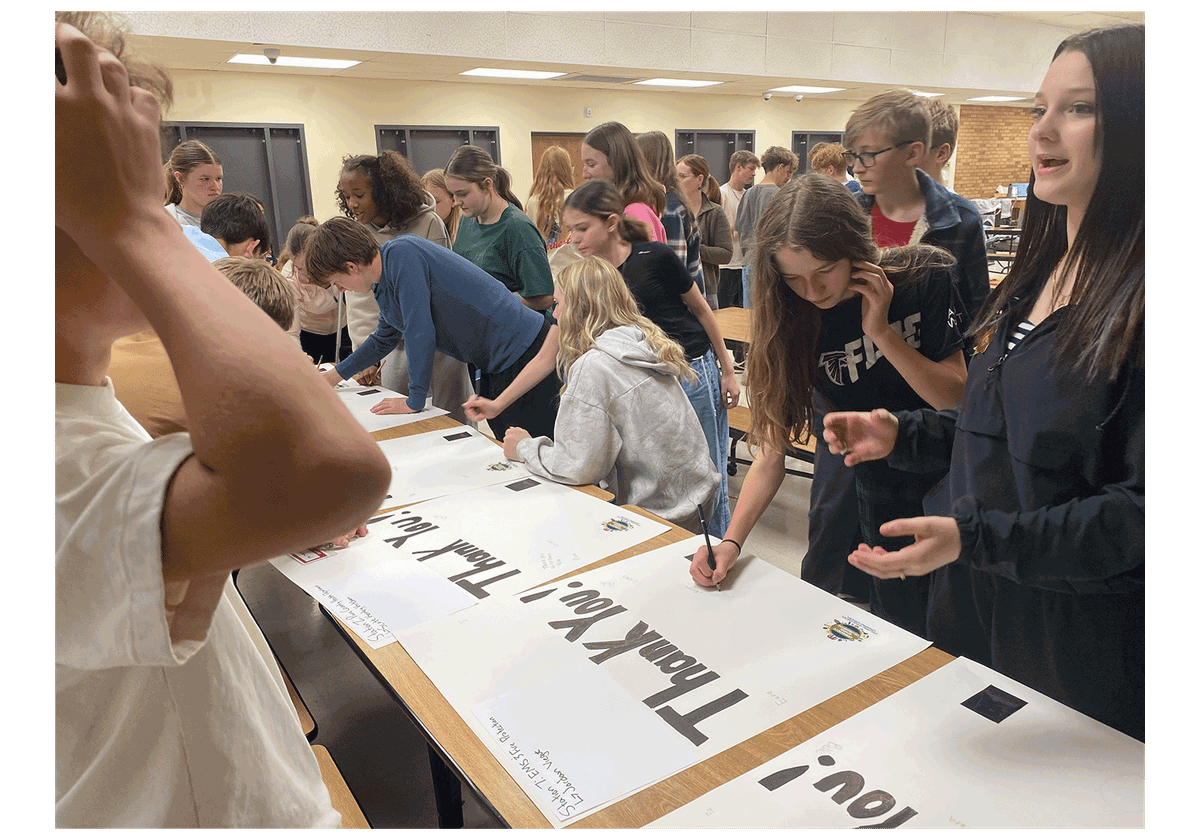
On April 30th, the City County Complex at 414 E. Callender Street in Livingston filled with something you don’t typically see in those halls: middle school students asking questions, testing ideas, and examining closely the work that keeps a community running.
Eighth graders from Sleeping Giant Middle School (SGMS) and Shields Valley Public Schools took part in a “Law & Order” Cougar Career Day, organized by the Community School Collaborative (CSC). The day was coordinated by CSC Program Director Erin Barcus and brought together a wide range of local professionals in public service roles.
The morning began at SGMS with Sheriff Tad Dykstra, who spoke with students about what draws people into civic careers. His message centered on responsibility: choosing work that serves others and contributes to the well-being of the place you live. Deputies and city police officers also attended, not as a formality, but as a clear signal that their work matters. From there, students moved through a series of stations designed to give them a real sense of the work.
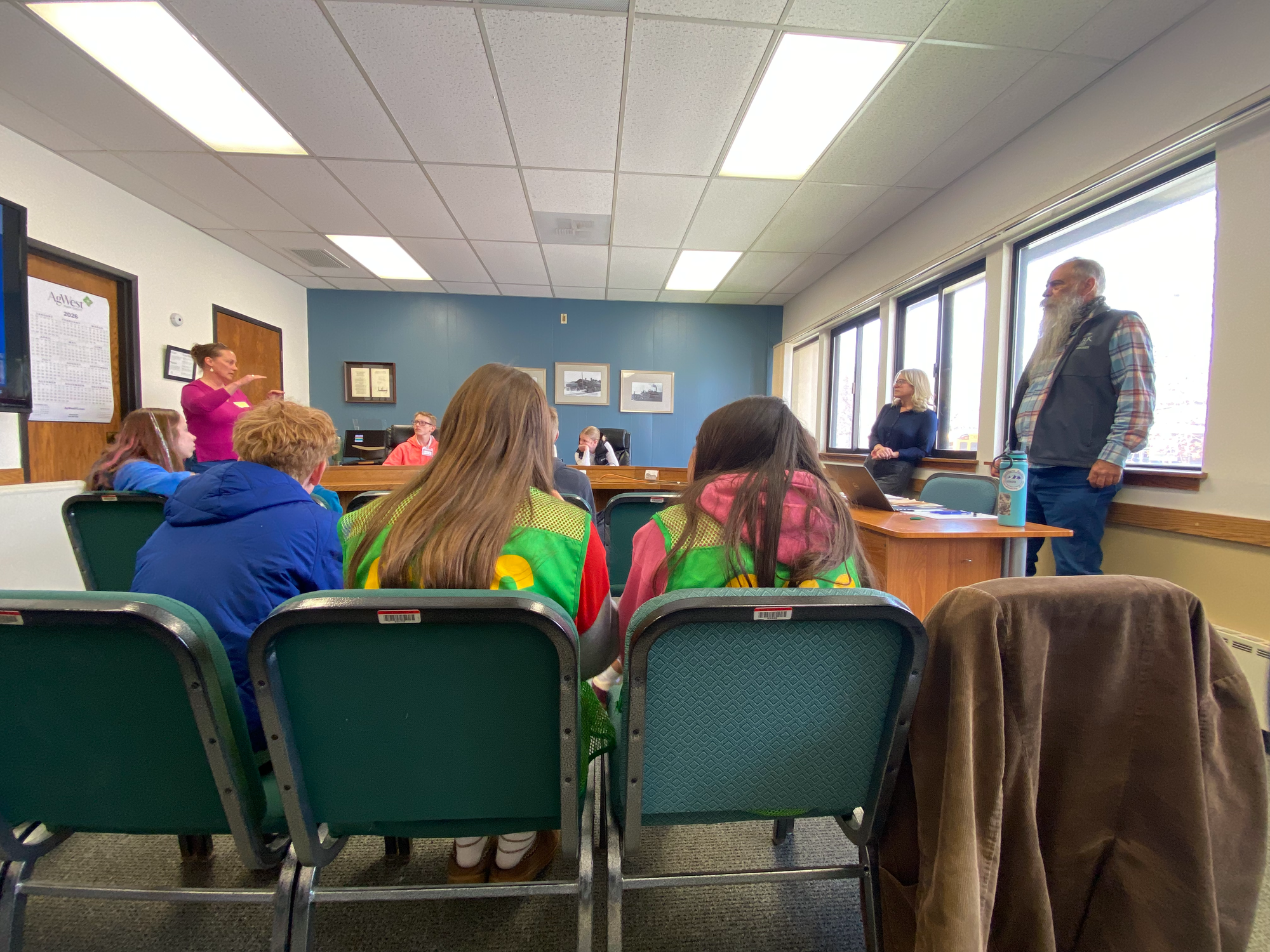
County Commissioners Bryan Wells, Mike Story, and Jen Vermillion, along with Carly Ahern, simulated a commission meeting, where students fielded input from community members on various topics. Played by the commissioners themselves, community members comments were either thoughtful or intentionally off-topic, reflecting the unpredictability of real public meetings. The exercise made one thing clear: local government requires patience, judgment, and the ability to listen through the noise.
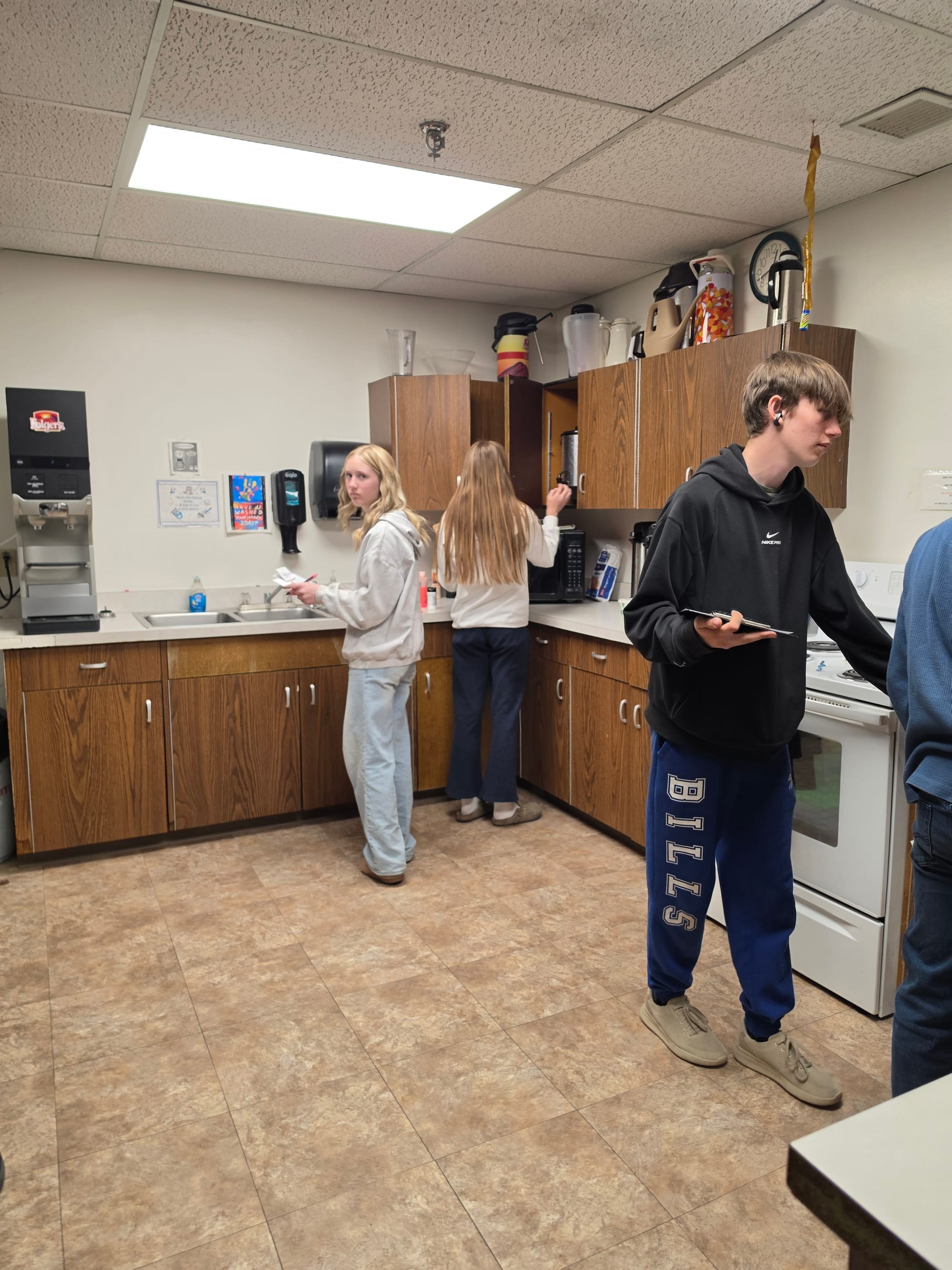
At the Park County Health Department, Scott Konley guided students through food safety practices using hands-on examples. Students worked through scenarios that showed how quickly unsafe conditions can develop, and how the county partners with those in food service.
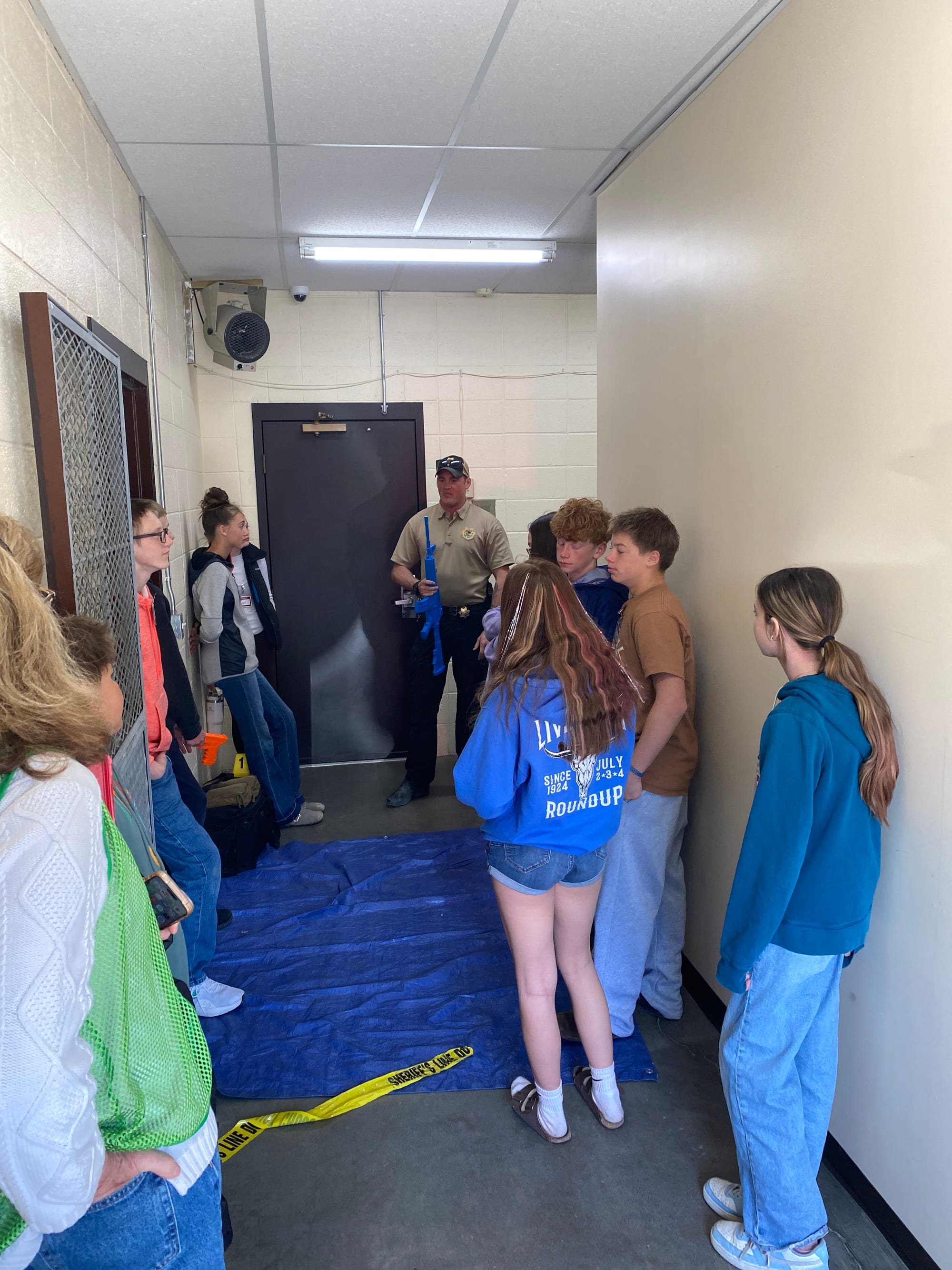
The Sheriff’s Department created two distinct experiences. Detective Joseph Luther’s station focused on crime scene investigation, where students examined evidence, documented their observations, and worked toward solving a case. Alongside that work he addressed the realities of social media and bullying in a way that was direct and relatable.
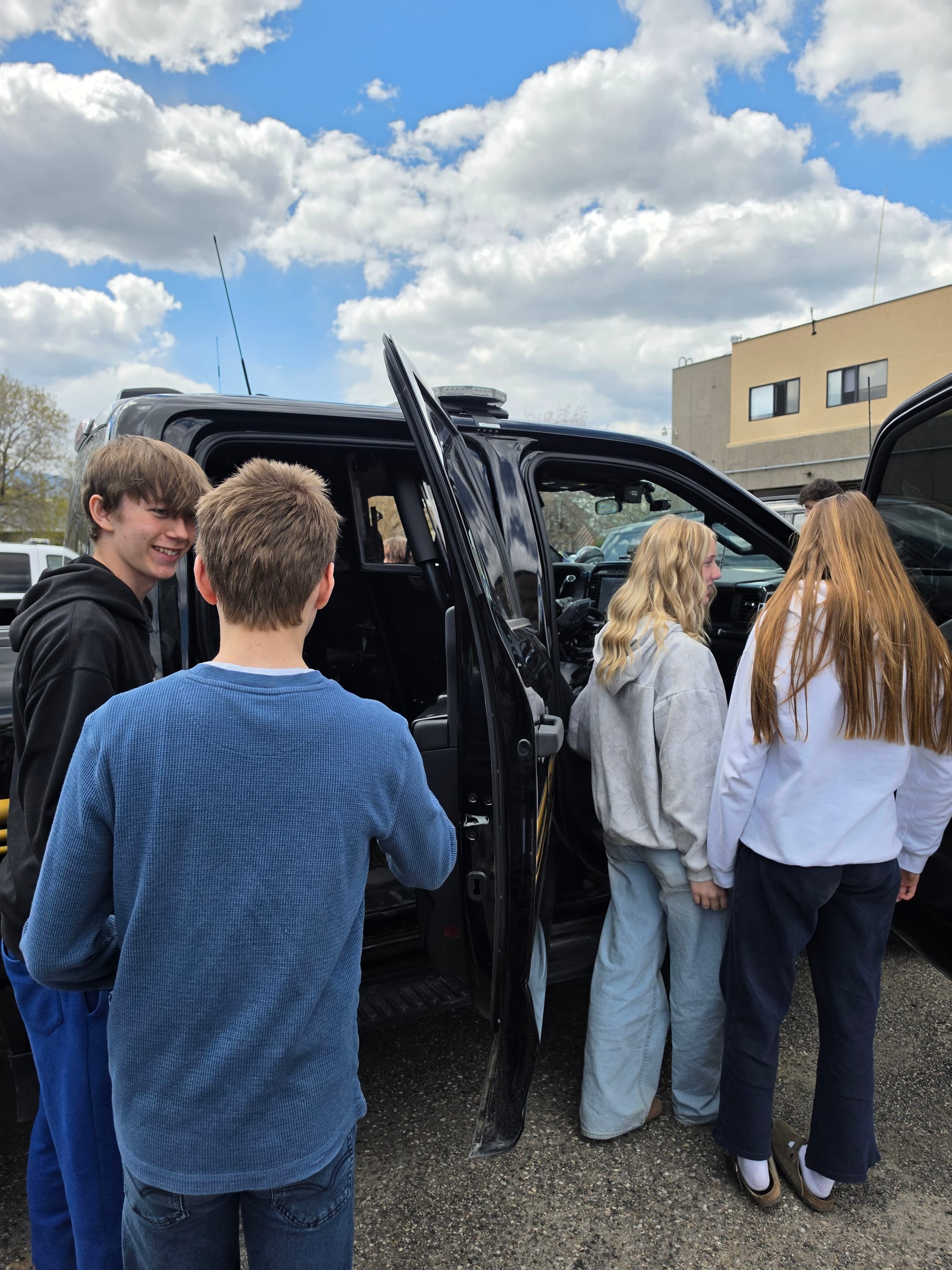
Deputy Creighton Rhodes offered a different perspective, walking students through what officers might encounter in the field, including traffic stops, patrol work, and decision-making under pressure. His approach gave students a grounded understanding of the responsibility that comes with the role of a patrol officer.
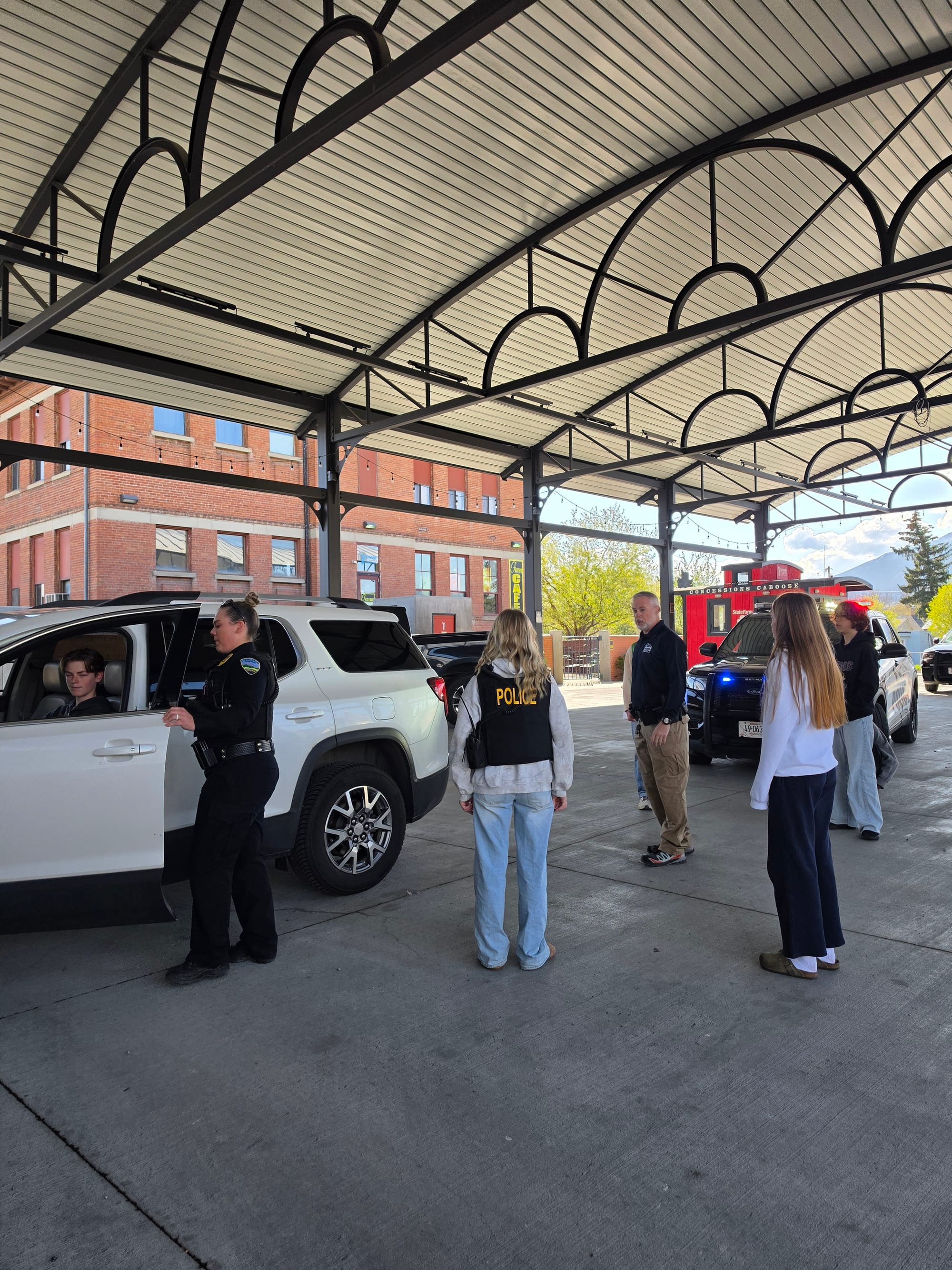
Livingston Police Officers Crank and Buckley centered their session on driver safety and real-world interactions with law enforcement. Students were engaged, asking questions and thinking through how they would respond in those situations. They particularly enjoyed the active role-playing they got to experience using handcuffs, patrol cars, and police vests.
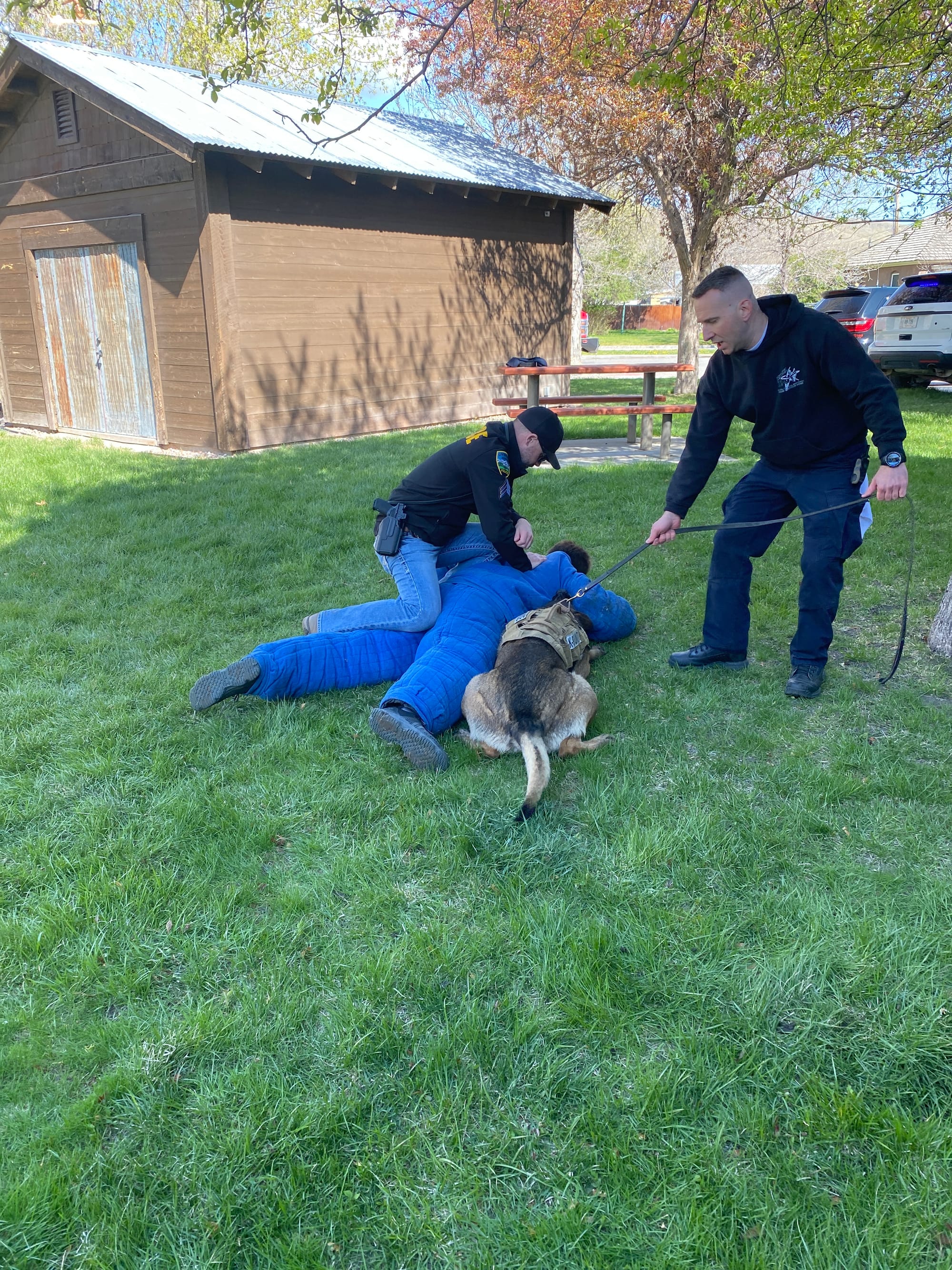
The K9 unit also drew a crowd. Assistant Chief Andrew Emanuel and Sergeant Corey O’Neill demonstrated how police dogs are trained and deployed, including detection and apprehension work. When students met Briggs and Rhino, the energy shifted to excitement, curiosity, and wide eyes. For many, it was the moment that stuck.
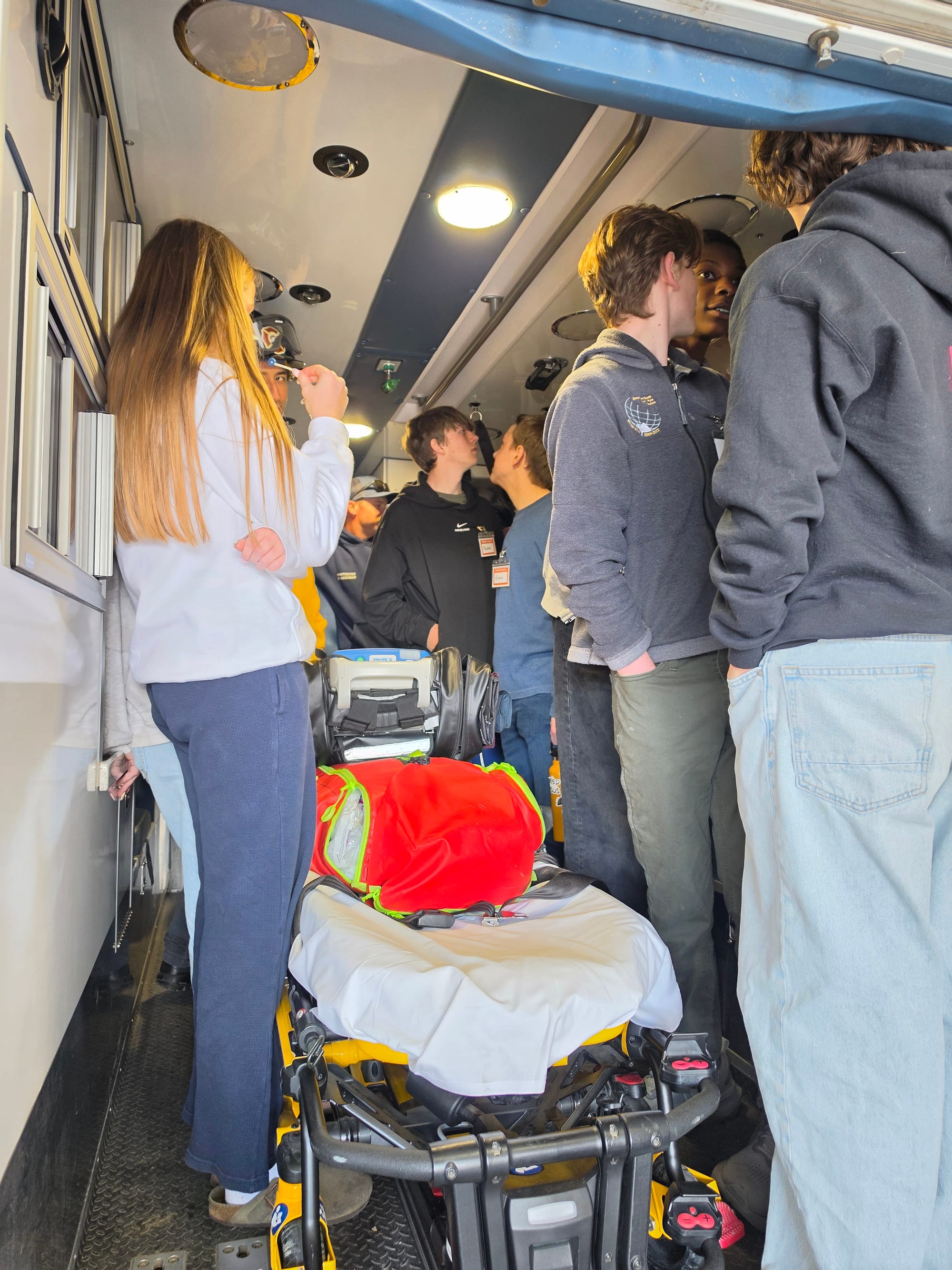
Firefighter and paramedic Zale Filce, engineer Abel Rios, and Captain Darren Kelley brought students into the world of emergency response. With an ambulance tour, scenario discussions, and a CPR introduction, students got a clear picture of the pace and teamwork required in critical situations.
Across the board, what stood out wasn’t just the content, it was the effort behind it. These professionals didn’t simply present information—they created experiences, answered questions thoughtfully, encouraged participation, and met students where they were. The level of care and intention was evident at every station.
This kind of exposure comes at an important time. Early adolescence is when many students begin to shape their sense of direction. When they can connect what they’re learning to real roles and people, it strengthens confidence, builds relevance, and can ease some of the uncertainty that often comes with thinking about the future.
Career Days are a core program of the Community School Collaborative, a Park County nonprofit focused on career exploration and work-based learning for local students. Programs like this are funded entirely through community support. For those who want to help make these opportunities possible, donations can be made at www.csc4kids.org/donate.
The April 30th event marked the final Cougar Career Day of the school year, closing with a strong example of what can happen when a community takes the time to invest in its young people.