Veterans Day Special Edition Feature Editorial: Fighting Fire With Fire—The Incurable Costs of War in the Middle East


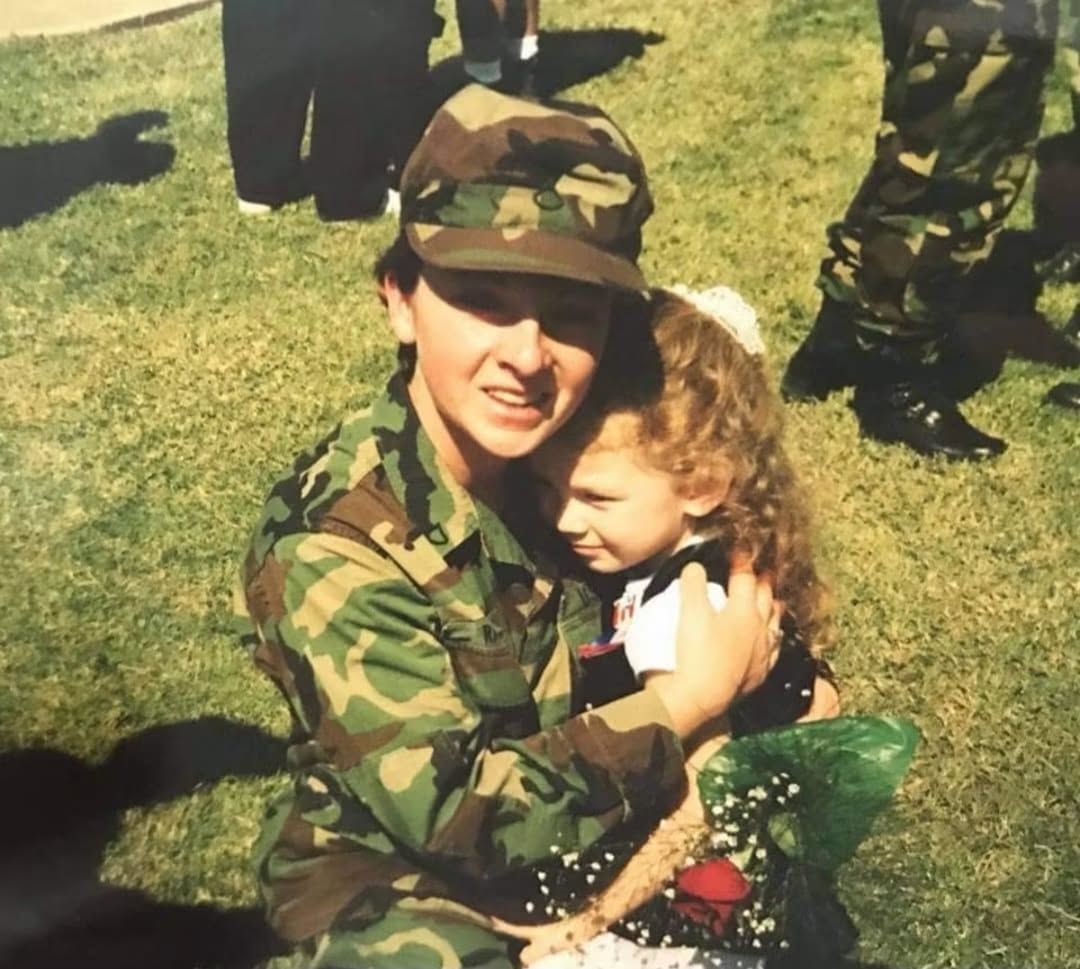
Cindy Daniels is a mother, wife, juvenile detention officer, city commissioner, and devout Christian, among other titles and roles. She’s raising a family, alongside her husband, Eric, while pursuing her second master’s degree. Her weekends are spent performing community service, attending church and taking her kids to extracurricular activities. Every other Tuesday she spends countless hours at the city-counting building, discussing municipal policy, addressing the needs of the Livingston community. On almost all accounts and on every bit of the surface she’s an all-American woman—vivacious and sturdy, no obvious signs of the contrary.
But when Cindy was just 34 years old, working as a civilian police officer in Wilmington, Delaware, her breathing suddenly labored. “I was doing a traffic stop one night and realized I was short of breath from just walking between my patrol car and the car I had stopped. I had to put my hand on the back of the other car for a second before I did the traffic stop to catch my breath. It was very surreal,” she explained. “I’d always been a runner. And I always worked out. I was in the gym all the time.”
Like myself, Daniels grew up in Southwest Missouri. Born in Birmingham, Alabama, her parents bought a farm in Morrisville, a small town roughly 25 minutes from Springfield, when she was four years old. The population of Morrisville was about 290 people. She graduated from high school in 1996 before briefly attending Southwest Missouri State University. In 2000, however, at age 21, she delayed her education and joined the Army National Guard—a multi-generational family tradition she had long considered for herself. Cindy attended basic and advanced individual training at Fort Leonard Wood, where she became a military police officer, the first step to building a career in law enforcement. Five months after graduating, on September 11th, 2001, she was called to duty.
“That evening I got a phone call that said to pack all my military gear and report to our duty station the next morning,” she recounted.
Following a yearlong stint back at Fort Leonard Wood, Cindy was deployed to the Middle East—stationed first in Kuwait, sent on occasional side missions to Iraq, before receiving her final assignment at central command in Qatar, where she manned the general’s quarters and policed the base. Returning home in 2006, she was once more deployed to New Orleans after Hurricane Katrina, eventually retiring from the military later that year.
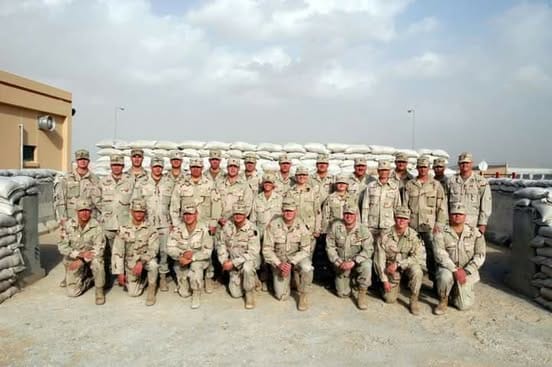
Six years later, in 2012, she was scheduling an appointment with a cardiologist, who suspected these new breathing difficulties were related to her deployment. She soon connected with the Office of Veterans Affairs (VA) to learn that many others who had served in the Middle East shared this same experience—specifically, those who had been exposed to burn pits.
“Haliburton and KBR (formerly Kellogg, Brown & Root), were contracted to build incinerators to burn all the trash while we were deployed. They built the incinerators but then they [the military] figured out it was too expensive. So, they didn’t use them.”
Instead, according to Daniels, the military cleared out huge pits to burn trash covered with jet fuel—24 hours, 7 days a week, in a majority of military camps throughout the Middle East. On missions, during sandstorms and physical training, without respirators or face masks, soldiers like Daniels inhaled particulate matter—the finest in the world—infused with toxic chemicals emitted from garbage and waste—the long-term effects of which were unknown.
After extensive testing at the War Related Illness and Injury Study Center (WRIISC), Cindy learned that the likely cause of her respiratory symptoms was Constrictive Bronchiolitis, a rare, serious and incurable condition affecting the small airway passages in the lungs. Her doctors recommended a lung biopsy, which she scheduled through her pulmonologist at the VA.
But Cindy had also contacted Dr. Robert Miller, a professor of Pulmonary and Critical Care Medicine at Vanderbilt University Medical Center, and Dr. Anthony Szema, a faculty member in the School of Medicine at Stony Brook University in New York, both of whom pioneered research linking severe respiratory illness to open-air burn pit exposure in the Middle East. Szema and Miller each requested that the results of her biopsy performed at the VA be sent to them for further review. However, because her pathologist didn’t believe that burn pit exposure and respiratory illness were related, they refused to share the results. Daniels, determined to learn more about her condition, cancelled the biopsy and went looking elsewhere for answers.
Through former U.S. Senator Chris Coon’s office, Cindy and a military and veterans’ advocate finally convinced the VA to fund a biopsy performed by Dr. Szema. The results mimicked laboratory research on rats exposed to toxic particulate matter collected from the Middle East, confirming what Cindy had come to expect. “I have all kinds of dust and metal particles—titanium, lead, you name it—embedded in my lung cells, and what the pathologist called brown gunk on my macrophages. They have no idea what it is,” she said, explaining that Constrictive Bronchiolitis causes accumulated scar tissue in the lungs, narrowing the walls and lining of small airway passages. The samples were also sent to Dr. Miller, who agreed with the diagnosis.
At the time, most veterans with medical conditions related to burn pit exposure were met with resistance when seeking compensation or disability benefits from the VA, lacking the necessary evidence for causal inference. “So, I reached out to an organization in Texas called Burn Pit 360,” Daniels explained. Like Vietnam War veterans exposed to Agent Orange, founder Le Roy Torres, a retired army captain, and his wife Rosie, organized the group to seek justice for those similarly harmed by chemical exposure in the Middle East. The Torres’ promoted awareness and created the first federal burn pit registry. In 2013, Cindy joined their ranks, eventually taking the fight to Washington, D.C.
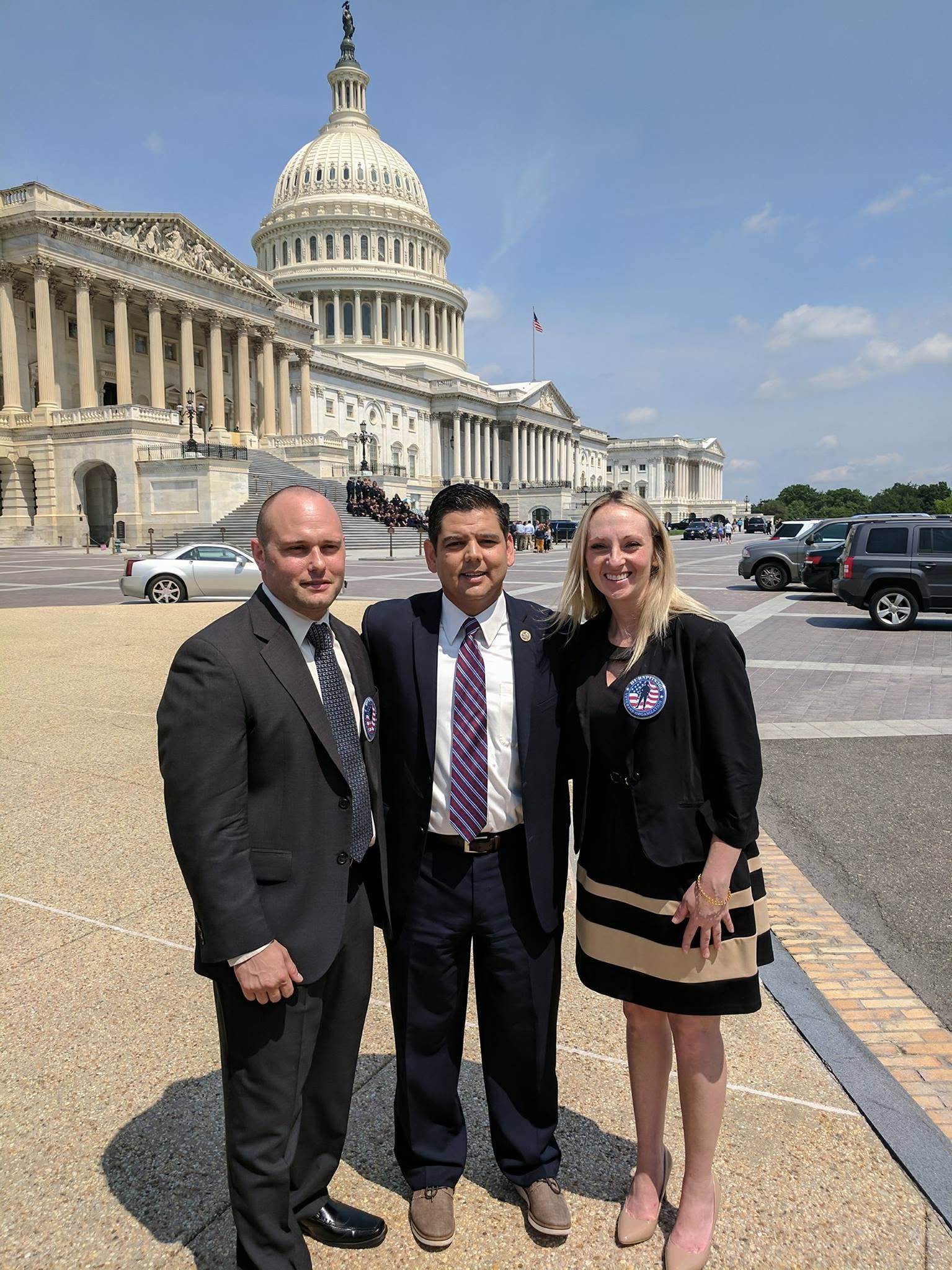
After falling ill, Cindy had resigned from the local police force. With a master’s degree in forensic psychology, she was first hired as a mitigation specialist in the state public defender’s office, investigating defendants in capital murder cases. She then applied for a military and veterans advocate position in Senator’s Coons administration—her first opportunity to work alongside federal legislators as a liaison for Burn Pits 360, persistently educating lawmakers on an issue growing ever more prevalent as Iraq War veterans returned home plagued with illness.
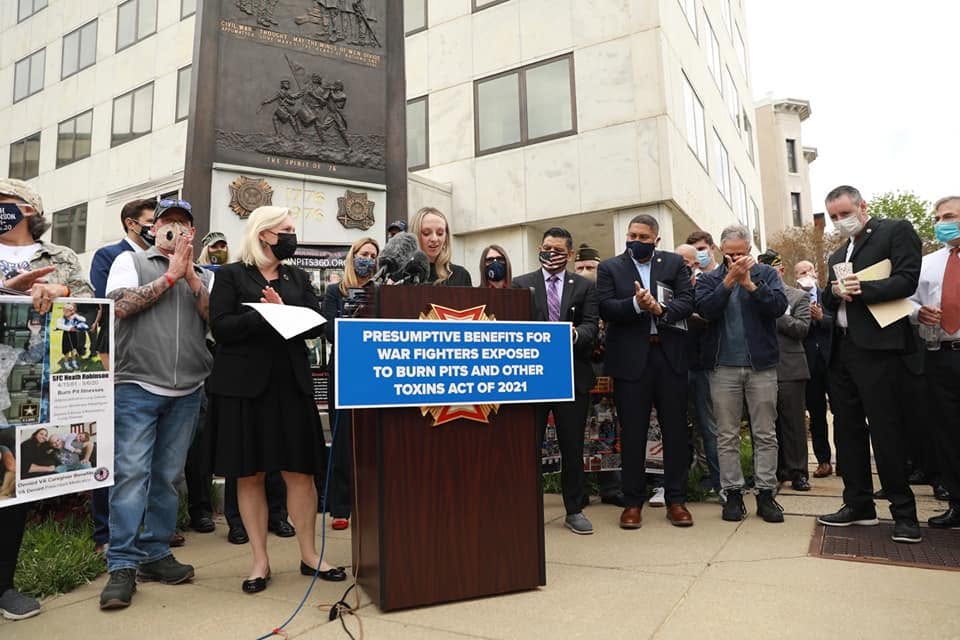
Core to their mission was advocating the PACT Act—a landmark piece of legislation signed into law in 2022. The law is intended to expand veterans access to healthcare and disability benefits. Now, Constrictive Bronchiolitis and other diseases, as well as some forms of cancer and neurological disorders like ALS, are presumptive—meaning that the many veterans who served in the Middle East diagnosed with these conditions were, with supporting documentation, presumably exposed to burn pits and are therefore entitled to benefits without battling the VA, lung biopsy in tow.
As an advocate for Burn Pits 360, Cindy witnessed several young veterans die from respiratory conditions and other diseases attributed to burn pit exposure—the likes of which include Beau Biden, former President Joe Biden’s eldest son, who passed away in 2015 from glioblastoma, a form of brain cancer, at age 46. Daniels once walked the same hallways as the eldest Biden son during his tenure as Attorney General in Delaware. Several other young, faceless vets without the same name recognition have also died tragically, awaiting VA connection as Daniels and her team urged federal legislators to take accountability and provide relief to families.
How the disease progresses in each individual is still relatively unknown to researchers. Veterans living with Constrictive Bronchiolitis often require oxygen and even lung transplants, some of which have failed, according to Daniels. A lifelong runner, Cindy now faces her own limitations and challenges. “I’ve tried running a few times, but it literally feels like my lungs are going to explode. It’s obviously not going to kill me, but it hurts so bad, I can’t get through it.”
“I also don’t breathe well at night… and I just wake up exhausted. I’m a very social person and I love doing things, but there are times when there’s something I really want to do and as it’s getting closer, I’m like, ‘that sounds really exhausting.’”
Initially, Daniels was frustrated and angered. She had never smoked a cigarette and, “Here I am with this crazy lung disease.” And though she doesn’t regret her military service or deployment, she can’t help but feel resentful. Both Halliburton and KBR have been subject to hundreds of class action lawsuits. The U.S. Court of Appeals for the Fourth Circuit, however, determined that the defense contractors had operated under military direction and were not liable for damages. Litigators submitted an appeal to the Supreme Court in 2019, but were ultimately rejected.
But for Daniels the battle doesn’t end there. When possible, she continues volunteering for Burn Pits 360, hoping to raise awareness among veterans, medical providers and lawmakers, as well as funding for research and treatment. Just a few months ago she participated in a two-day study for WRIISC, contributing to modern research. Veterans to this day contact her on social media for guidance when filing benefits claims or seeking information about the condition.
“That’s why I’ve been fighting for many years to make a difference. Because I look at it like, I have this progressive lung disease that isn’t curable, but I’m still able to get around, to tell people and get out that information. It’s important for me to push myself and keep going because it takes away that thought of not being able to do things. My pity party didn’t last long.”