
Health-Wellness
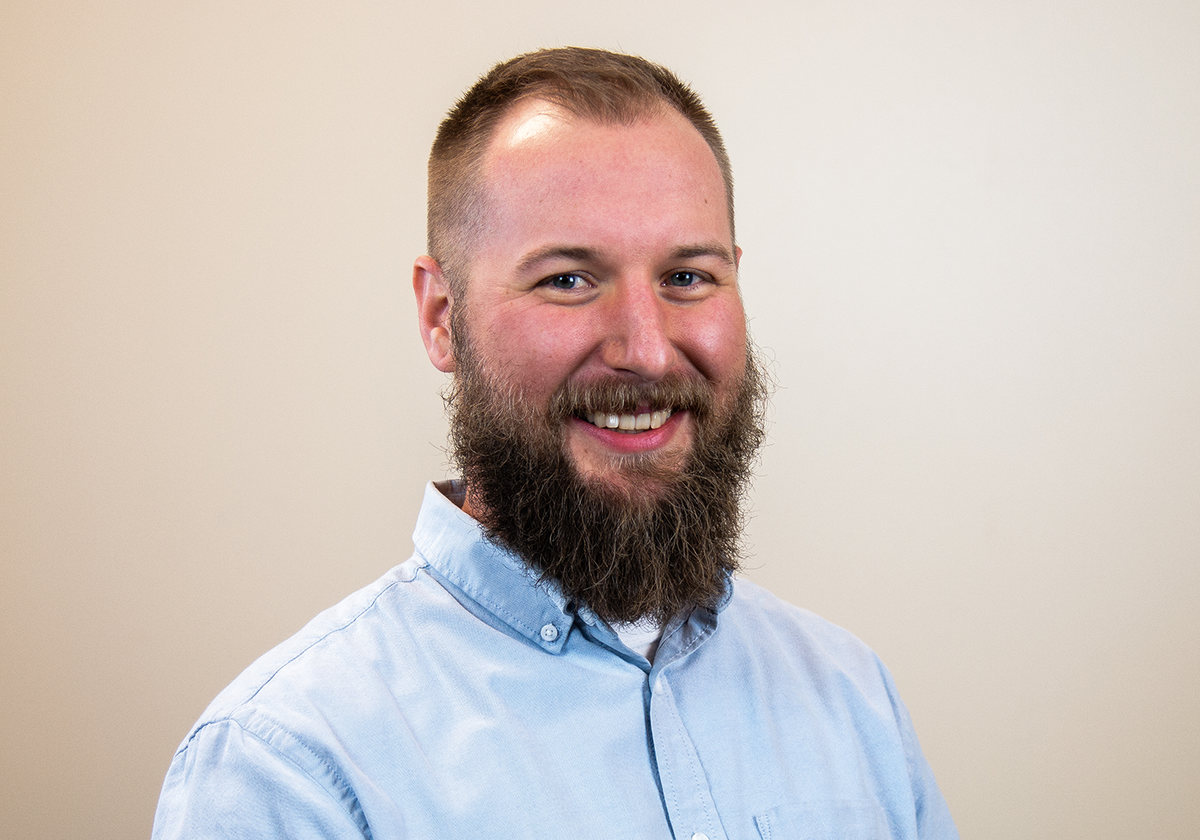
By Dr. Christopher Spromberg, Clinical Psychologist, Livingston HealthCare
In conversations across clinics, workplaces, and communities, one theme continues surfacing when we discuss men’s mental health: connection.
Too often, the conversation surrounding men’s mental health begins late, after isolation has already taken hold. Disconnection rarely happens all at once. It builds gradually—with fewer conversations, missed check-ins, or less time spent in shared spaces. Eventually, that quiet drift can turn into loneliness, stress, and a growing sense of disconnection from others.
In Montana, these realities are close to home. The state continues facing one of the highest suicide rates per capita in the country, and men make up a significant portion of those losses. These statistics represent fathers, sons, brothers, friends, and neighbors.
While the many causes of depression and suicide are complex, one factor stands out consistently: isolation significantly increases risk. In rural communities, connection can require intention, especially during the long winter months. Cold temperatures and shorter days can make it easier to withdraw and harder to engage. For men in particular, that risk is often compounded by cultural expectations to “handle things” alone or to avoid showing vulnerability. The result is a pattern of men struggling in silence.
Simultaneously, there is something powerful working in the other direction. Community remains one of the strongest protective factors available. When connection is present—when people feel they belong, are seen and supported—the impact is meaningful. It can change how stress is managed and how challenges are faced.
Connection does not have to be complicated. It can look like reaching out to a friend, checking in with a coworker, or spending time in a shared activity. It can be showing up—whether for a community event, group, or even a simple conversation. These small, consistent choices create a sense of belonging and purpose over time. Small steps can interrupt the cycle of disconnection. This can look like getting outside, attending a local event, or simply putting one thing on the calendar to look forward to each week.
Just as important is redefining what it means to ask for help. For many men, reaching out can feel unfamiliar or uncomfortable. Support can come from many places: friends, neighbors, community groups, or healthcare providers. For those facing more immediate or overwhelming challenges, resources like the 988 Suicide & Crisis Lifeline provide accessible, confidential support.
Mental health is not shaped only by what happens internally. Strengthening relationships, creating opportunities to engage, and supporting one another are critical components of men’s mental health.
Connection is care; and when it is present—when individuals feel tied to people, purpose, and place—resilience grows.
In communities in Southwest Montana, those opportunities already exist. The challenge, as well as the opportunity, is to continue showing up, reaching out, and making connection part of everyday life.
Note from Livingston HealthCare: Dr. Christopher Spromberg is actively engaged in community efforts that support connection and men’s mental health. His involvement includes:
- Participating in the Distinguished Gentleman’s Ride, raising awareness for men’s mental health and prostate cancer research.
- Helping establish Elk River Archery Club, a nonprofit focused on building community through shared activity.
- Providing behavioral health services and outreach initiatives through Livingston HealthCare.
- Serving as Vice Chair on the Board of Directors at Abuse Support & Prevention Education Network (ASPEN) in Livingston.
- Supporting local community events, interest-based groups, and connection-building opportunities.
- Advocating mental health resources, including the 988 Suicide & Crisis Lifeline.