
Health-Wellness
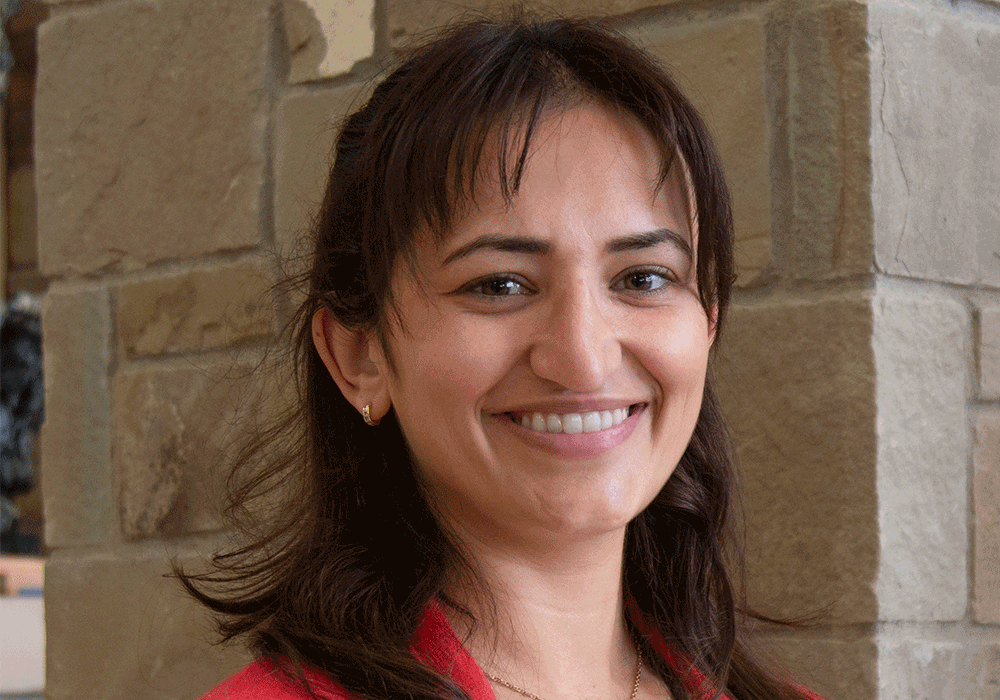
10 Questions with Emily Colasante, PMHNP at Livingston HealthCare
Emily Colasante is a board-certified Psychiatric Mental Health Nurse Practitioner at Livingston HealthCare. A former bedside registered nurse, Colasante earned her undergraduate and graduate degrees at DeSales University and Vanderbilt University, respectively, before pursuing a career in psychiatric medicine. Colasante's trauma-informed approach involves patient-centered care—recognizing each patient's unique needs and providing comprehensive, individualized treatment, from individual therapy and lifestyle changes to strengthening support systems—prescribing medication only when appropriate, a multi-modal, holistic approach to psychiatric treatment.
- Why did you decide to become a Behavioral Health Nurse Practitioner?
I've always been drawn to the human side of medicine—understanding people's stories, not just their symptoms. After working long hours in the emergency department as a nurse, I realized that some of the most impactful moments weren't always treating physical emergencies, but helping people through mental health struggles, crisis, grief, anxiety, life transitions and, ultimately, the challenges we don't see reflected in labs or diagnostic images. Becoming a Behavioral Health Nurse Practitioner felt like a natural way to bridge the gap between the art and science of human healing.
- What’s one health habit you wish everyone would start today?
Getting outside more. Fresh air, sunlight, movement, and even a few quiet minutes in nature can make a huge difference for both mental and physical health. It doesn't need to be a mountain hike; even a short walk with some deep breaths outside can help reset your nervous system.
- If you weren’t a PMHNP, what would you be doing?
Probably something creative or outdoors related. Maybe photography, travel writing, or working with wildlife. I love anything that combines people and nature.
- How do you recommend patients prepare for an appointment to get the most out of it?
There's no perfect way to prepare, but it helps to think about what's been impacting your daily life most as of lately: sleep, stress, mood, focus, relationships, energy levels, etc. Writing down symptoms, questions, or goals beforehand can also make appointments feel less overwhelming.
- What’s the most memorable patient interaction you’ve ever had (without revealing identities)?
There are too many to count, but one interaction that comes to mind was from my days in the emergency department. There was an attempted homicide on a father and daughter, but with lifesaving interventions, we were able to save them both. I don't think I'll ever forget that night.
- What’s the most challenging part of your job—and most rewarding?
The hardest part is knowing that taking away someone's pain, anxieties, or struggles isn’t always immediate. Healing takes time. The most rewarding part is walking alongside patients through that process and witnessing the progress they may not yet recognize in themselves.
- Do you have any personal health habits you struggle to maintain yourself?
Absolutely. Balance. Like many people, I sometimes get caught up in work, responsibilities, and staying busy. I have to intentionally slow down, unplug, and recharge by spending time doing things I enjoy.
- What’s your guilty-pleasure food?
This is the hardest question yet (just kidding). I'm Italian, so I'd have to say some type of pasta with a glass of red wine and a piece of cheesecake to top it off.
- What’s the one thing you wish patients knew about you as a person?
That I'm human, too. I genuinely care about my patients and want appointments to feel collaborative, not intimidating. My goal is for people to feel heard, comfortable, and never judged.
- If you could prescribe one thing to make everyone happier, what would it be?
More connection—to other people, community, and the outdoors. We're not meant to live life completely isolated from one another, and I think many people underestimate how simple connection(s) can facilitate healing.